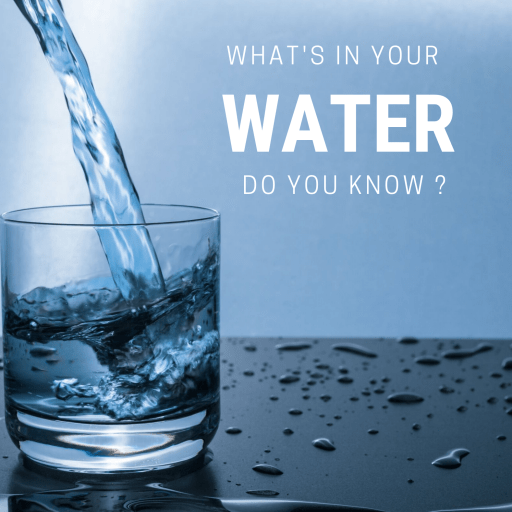
As children, we were probably taught about the importance of drinking water. Our doctor may have recommended 6-8 glasses per day. Obviously, our bodies need water to function, but water’s role in our lives goes far beyond just survival. The quality of water and how we drink it is so important for our well being. An efficient water filter or a source of good clean water should be at the top of our natural living priority list.
So, What’s in Your Water?
If you are drinking tap water, the answer to that question is 300+ chemicals and pollutants, according to research from the Environmental Working Group.
Among these contaminants are:
- (VOCs) such as pesticides, herbicides and other chemicals.
- Heavy Metals like lead and mercury linked to many health problems.
- Endocrine Disrupting Chemicals which may mimic or interfere with the normal hormones in the body.
- Fluoride, most controversial of the contaminants in water.
- Microorganisms & bacteria such as E. coli, Salmonella, Cryptosporidium etc.
Choosing filter for drinking water
Bottled Water
- Chemicals from the plastic bottle can leech into the water.
- In most cases, the water is no different than tap water
- Water bottles and other plastic waste are a major source of consumer waste and pollution each year
Pitcher Water Filters
- Uses Granulated Activated Charcoal to remove few contaminants
- Frequent Cartridge replacement is necessary and adds to maintenance cost.
- Not effective in removing VOCs, heavy metals, endocrine disruptors or fluoride.
Reverse Osmosis (RO)
- Wastes more water than it produces.
- Does not reduce VOCs or endocrine disruptors.
- Requires adequate water pressure to work so it is not usable if home water supply is cut off.
- Removes necessary minerals from the water and need to re-mineralize artificially.
Distilled Water
- Does not reduce VOCs or endocrine disruptors.
- Home distillation systems are often large and expensive.
- Uses a large amount of electricity and will not work in power outages.
- Removes necessary minerals from the water.
- Long term use can cause mineral deficiencies
Solid Block Carbon Filters*
- Recognized by the EPA as the best option for removing chemicals like herbicides, pesticides, and VOCs.
- Quality carbon block filters will remove chemicals, pesticides, bacteria, fluoride, heavy metals, nitrates, nitrites, and parasites.
- Very inexpensive per gallon cost and annual filter replacement.
- Removes the widest range of contaminants.
- Portable, very easy to install & use.
- Water tastes great.
*Look for NSF & Water Quality Association (WQA) gold seal certifications.
Please comment below or email me @ sreevidya074@gmail.com to know what we did to ensure our family is protected from dangerous contaminants and issues with water.


 Healthy Living
This is interesting information
LikeLike
Quite shocking to hear that the answer to what’s in our water is: 300+ chemicals and pollutants let along the VOCs (pesticides and herbicides). Thx for sharing.
LikeLike